Always a Rose
Always a Rose
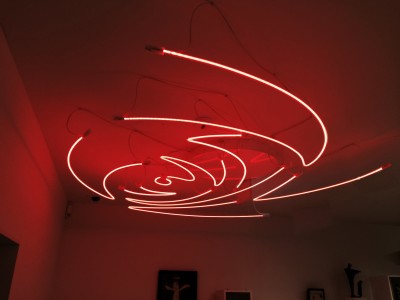
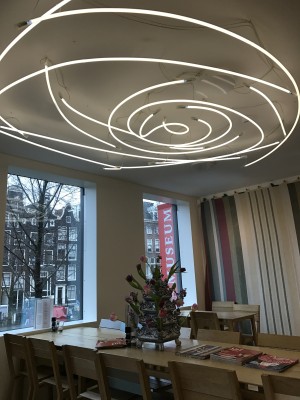
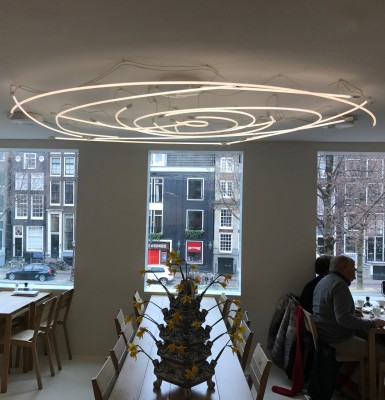
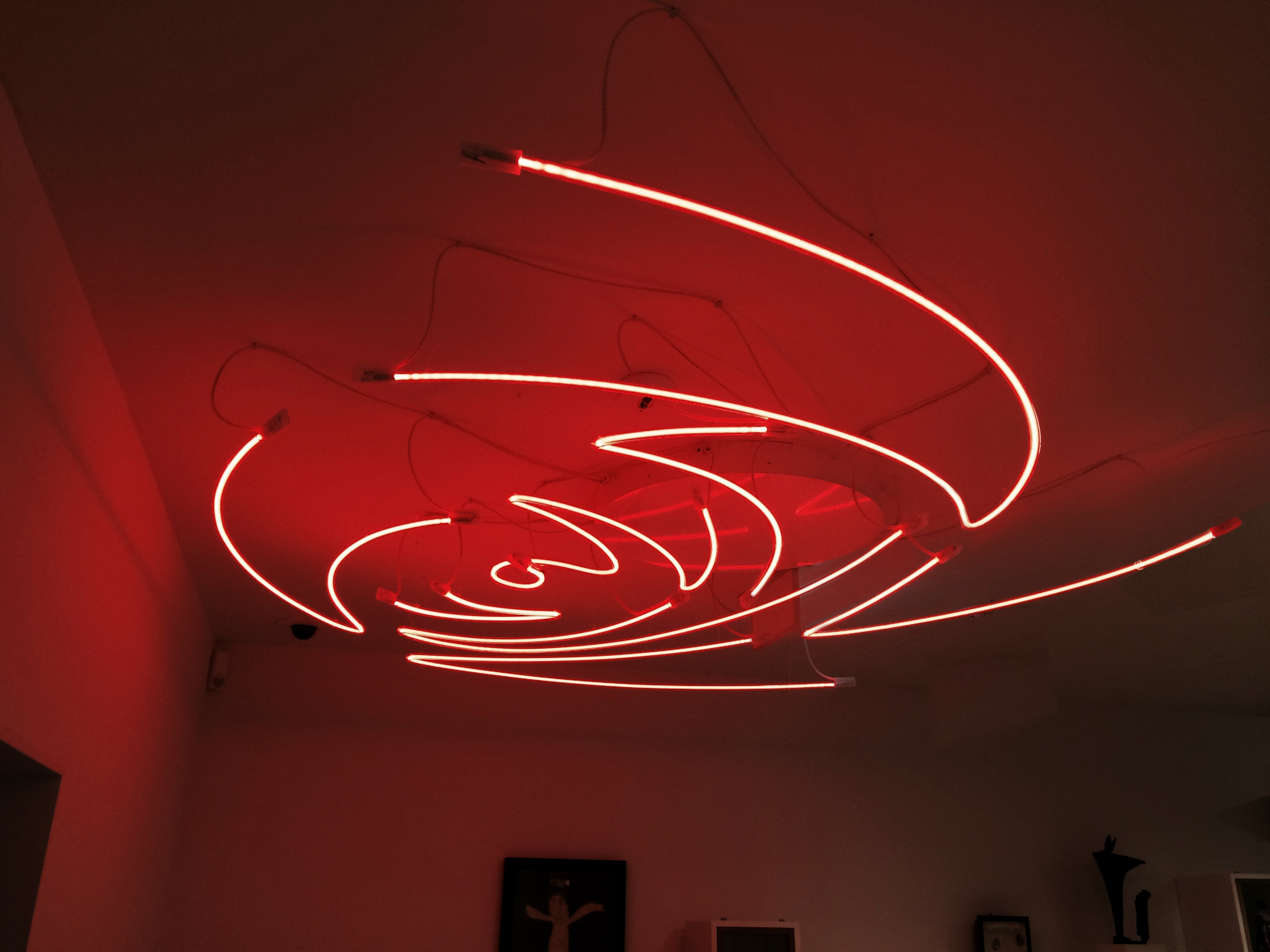
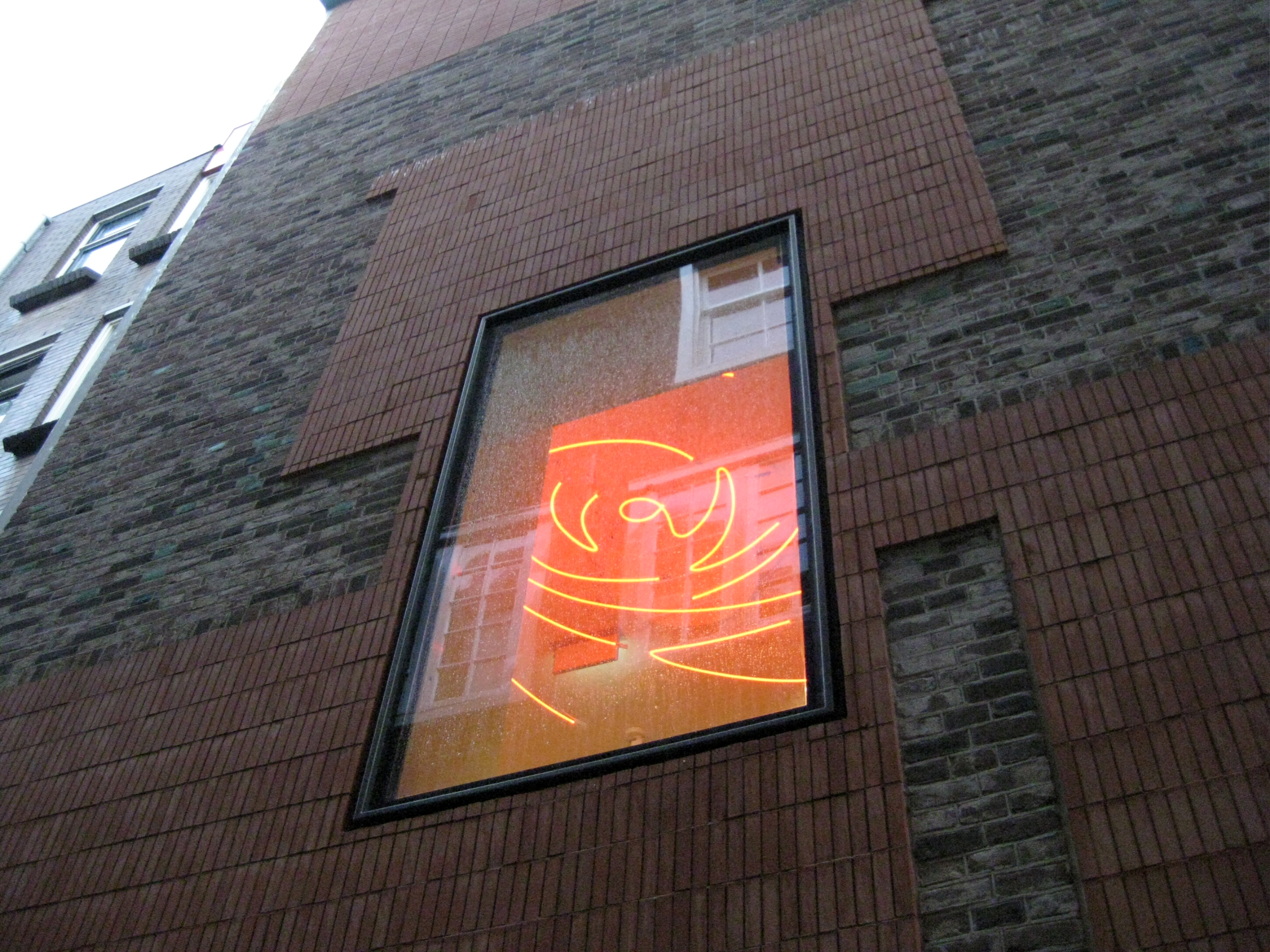
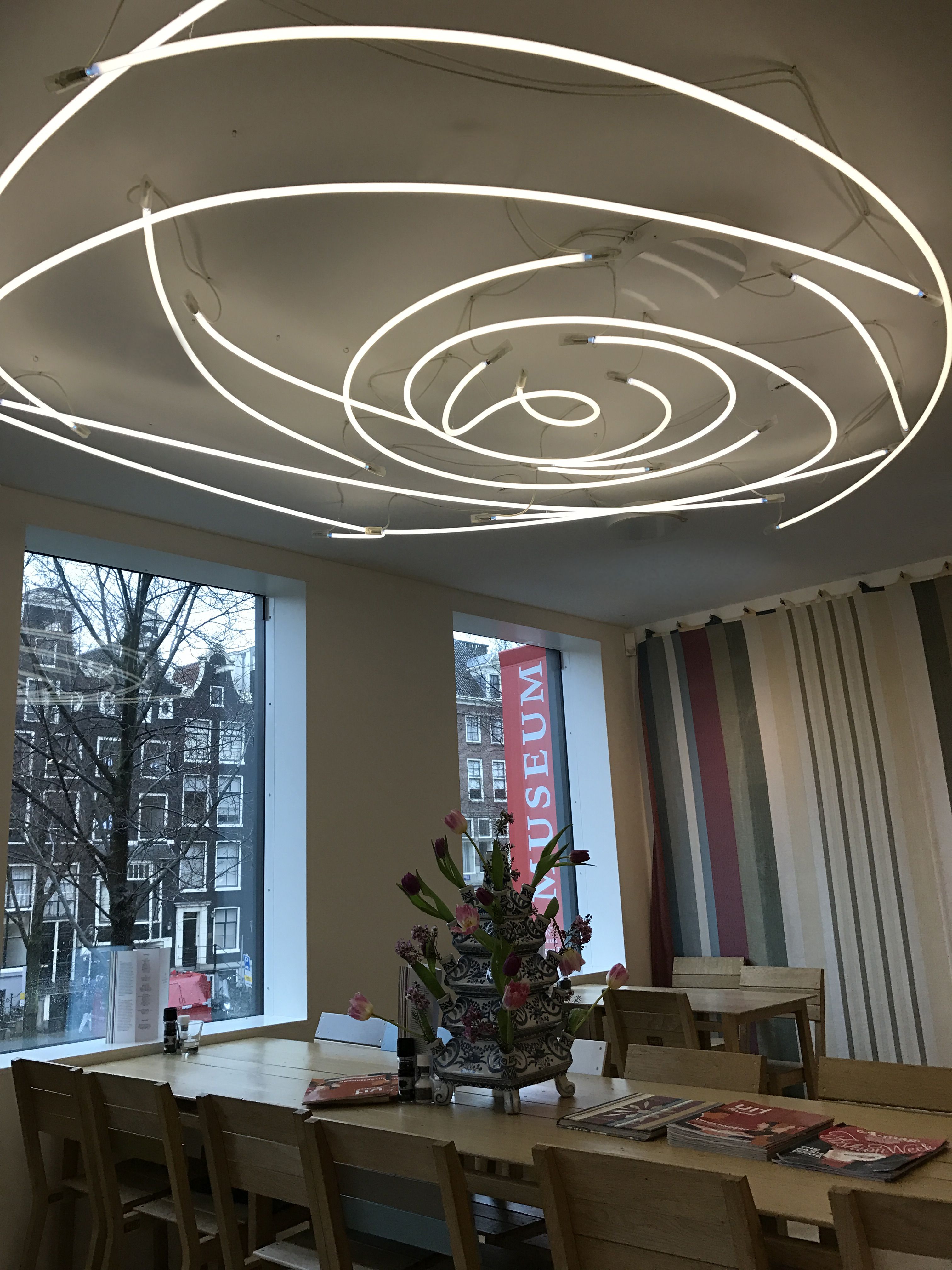
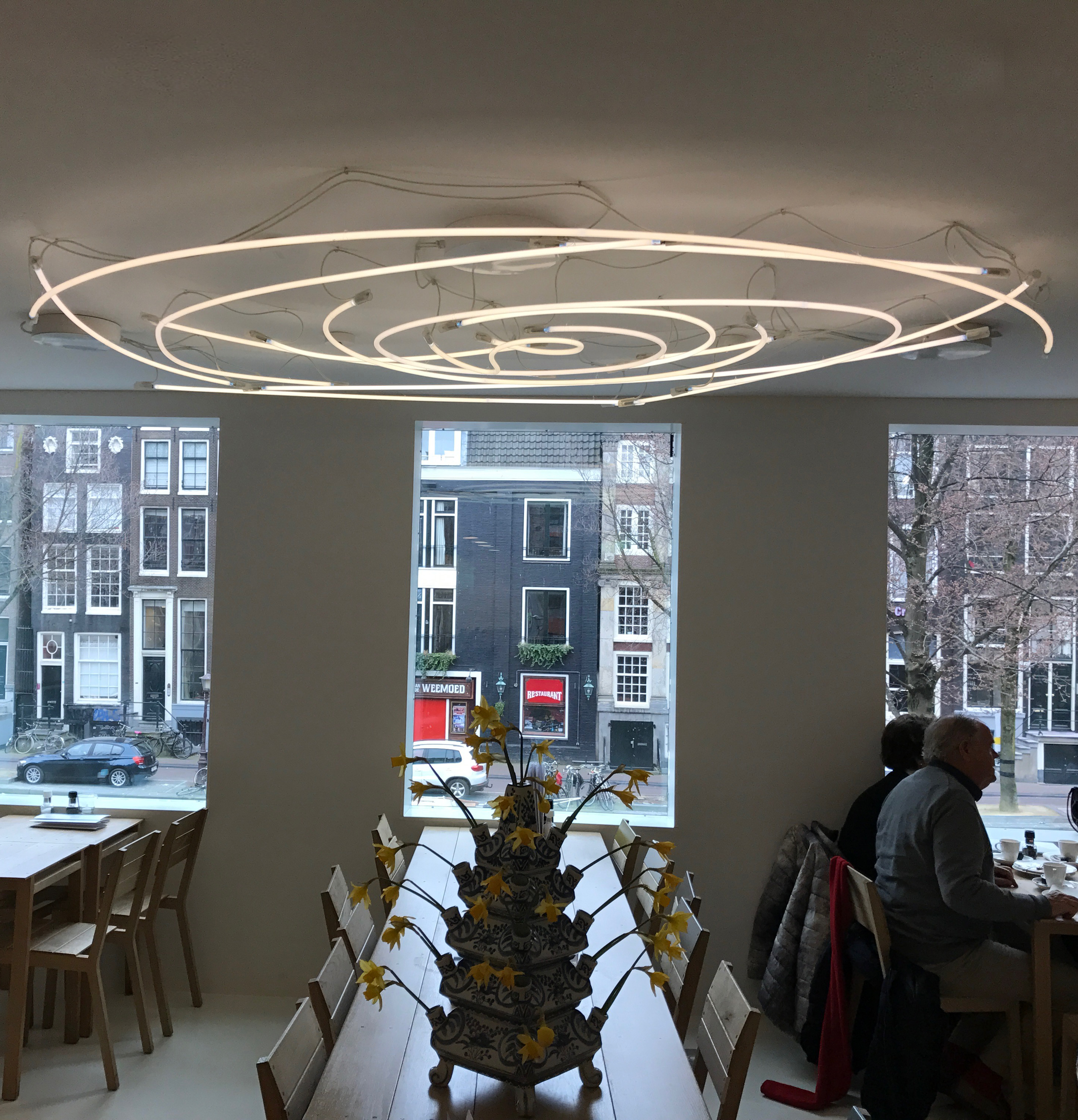
Specs: White Rose, neon, 2.80 by 2.20 meter. Red Rose, neon, computer-controlled dynamic light 2.30 by 1.80 meter.
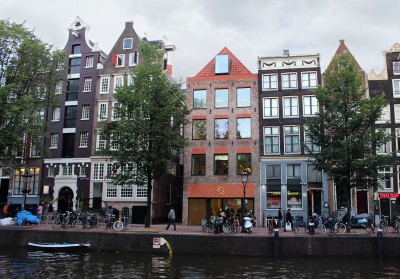
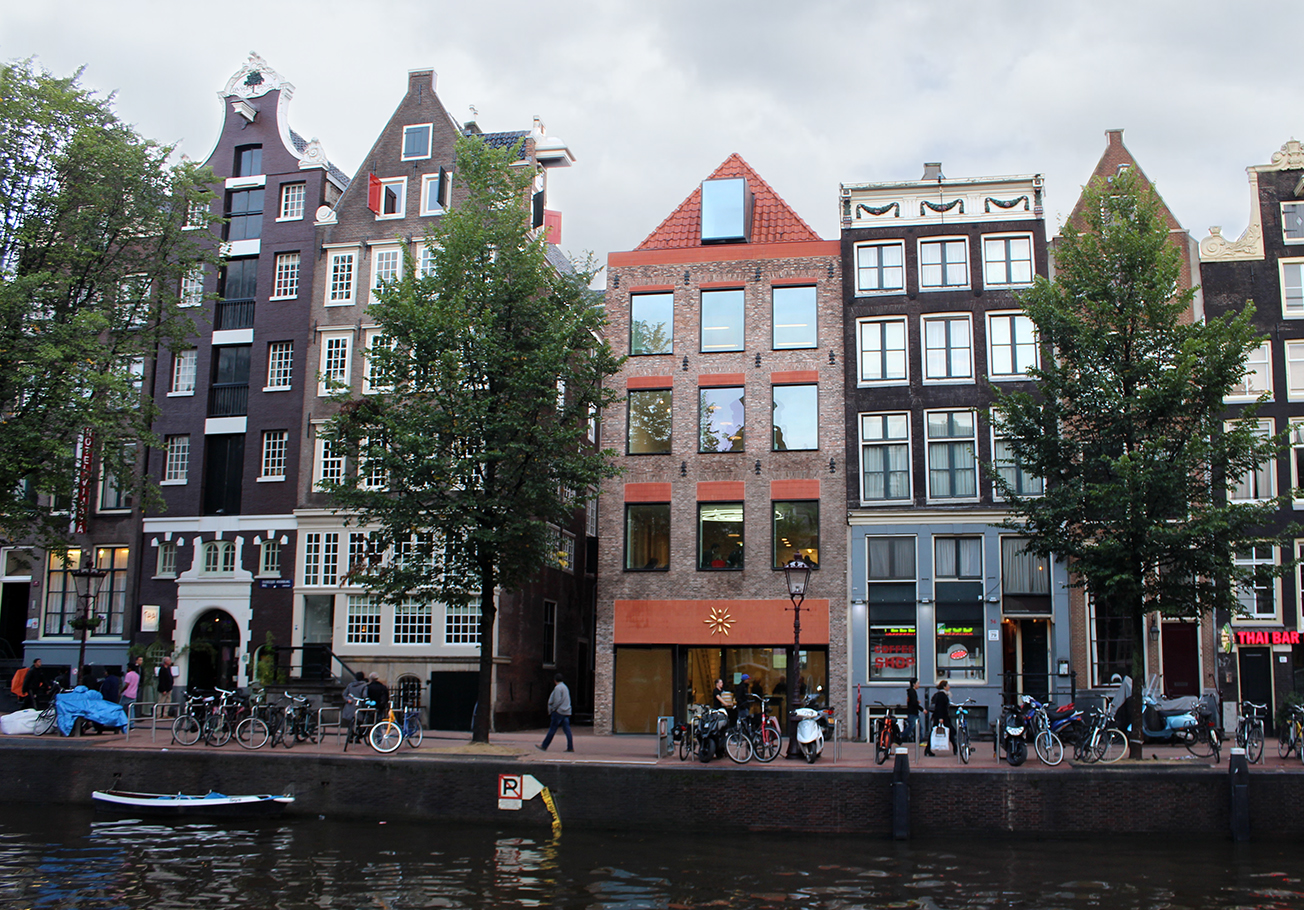
Museum Our Lord in the Attic, founded in 1888, is housed in a 17th-century canal house containing both a private residence and a complete hidden church. This clandestine church was created during the Reformation, a period when Roman Catholics were forbidden from practising their faith openly.
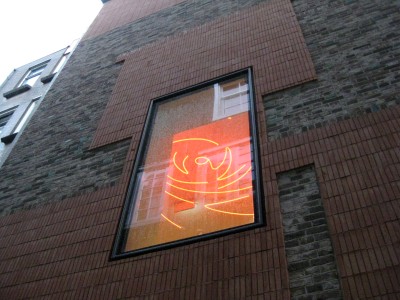
Always a Rose consists of two neon works: a Red Rose in the education room and a White Rose in the café.
The Red Rose refers to the universal meaning of identity and acceptance. The work echoes Shakespeare’s line from Romeo and Juliet: A rose by any other name would smell as sweet.
The White Rose alludes, sub rosa — under the rose to an age-old symbol of confidentiality and privacy.
Always a Rose connects the spirituality of the historic house with contemporary questions surrounding identity and connectedness. The work invites reflection on faith, identity, difference and the ways in which people can understand one another.
Altijd een Roos
Museum Onze Lieve Heer op Solder, opgericht in 1888, is gevestigd in een 17e-eeuws grachtenhuis waarin een woonhuis en een complete kerk verborgen zijn. Deze schuilkerk ontstond tijdens de Reformatie, een periode waarin rooms-katholieken hun geloof niet in het openbaar mochten belijden.
Altijd een Roos bestaat uit twee neonwerken: een Rode Roos in de educatieruimte en een Witte Roos in het café.
De Rode Roos verwijst naar de universele betekenis van identiteit en acceptatie. Het werk sluit aan bij Shakespeare’s gedachte uit Romeo and Juliet: A rose by any other name would smell as sweet.
De Witte Roos verwijst sub rosa — onder de roos naar een eeuwenoud symbool van vertrouwelijkheid en beslotenheid.
Altijd een Roos verbindt de spiritualiteit van het historische huis met hedendaagse vragen rond identiteit en verbondenheid. Het werk nodigt uit om na te denken over geloof, identiteit, verschil en de manier waarop mensen elkaar kunnen begrijpen.